




Why Nex-Tech Hosts the Broadband and BBQ Forum
Written by: Friday Otuya
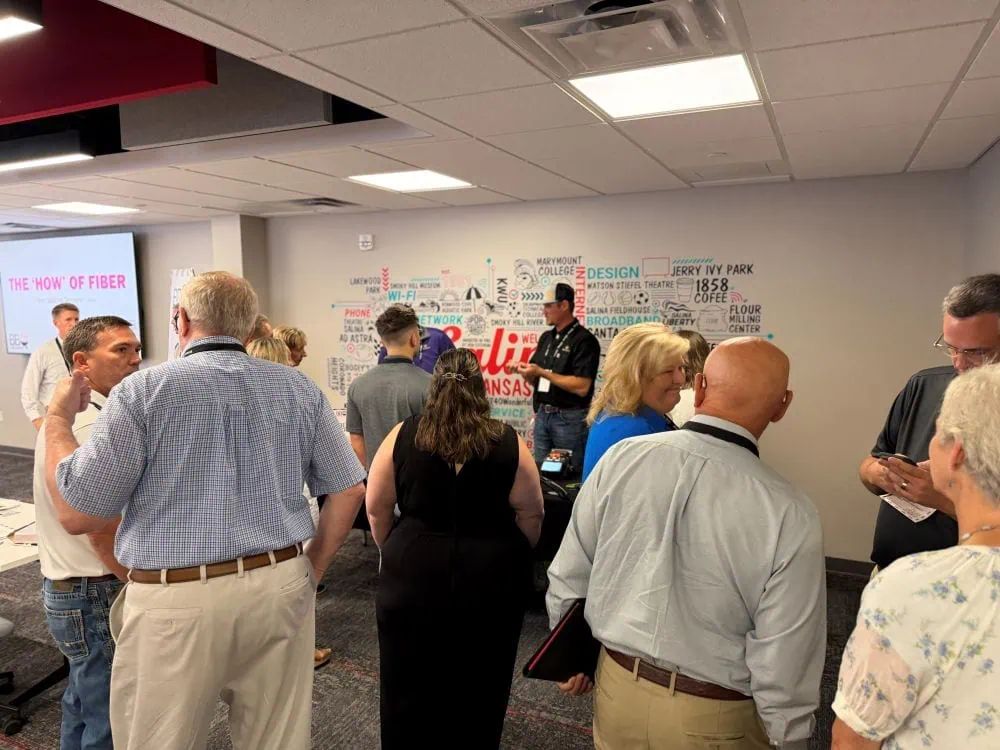
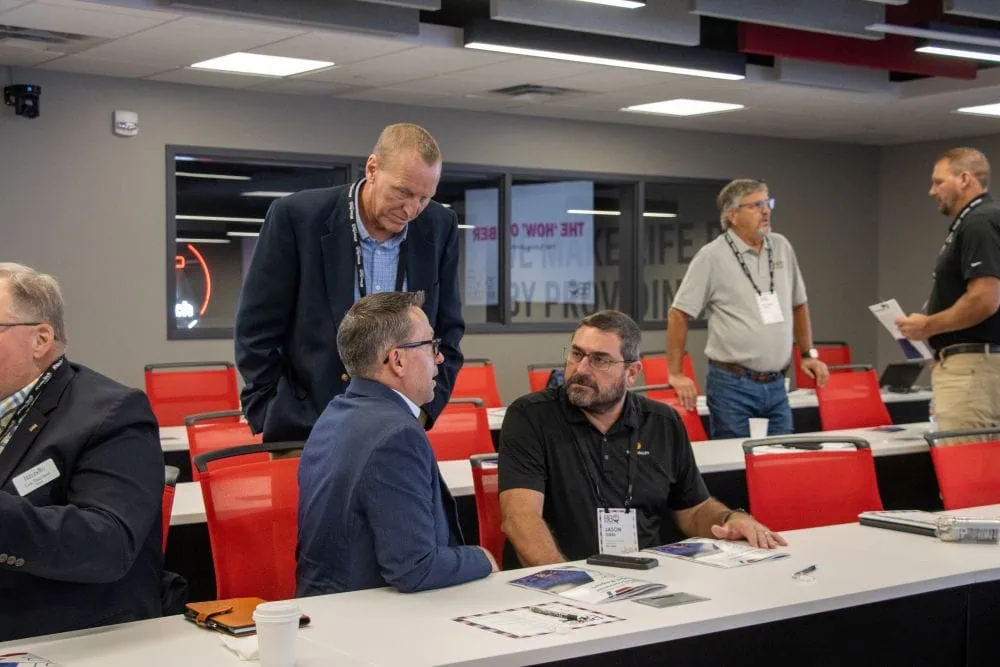
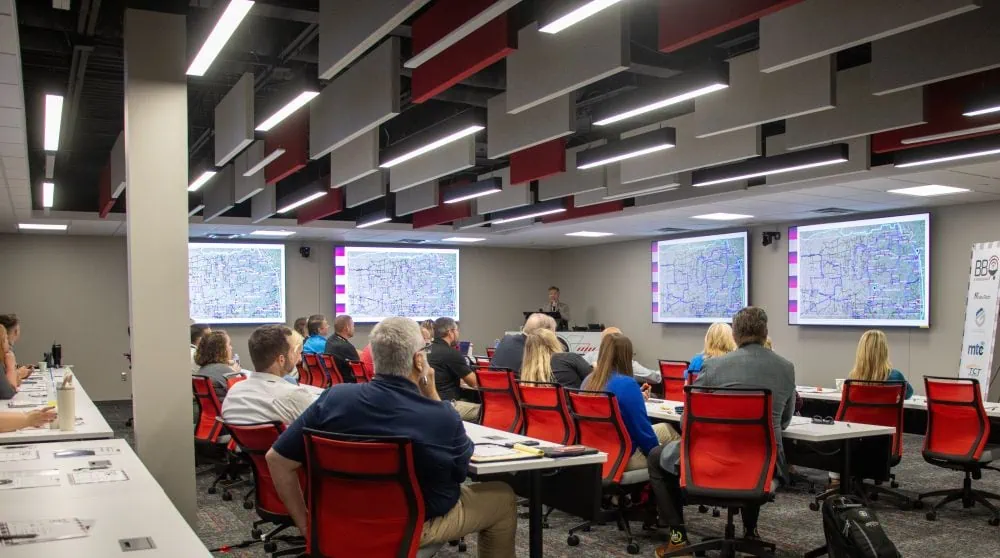
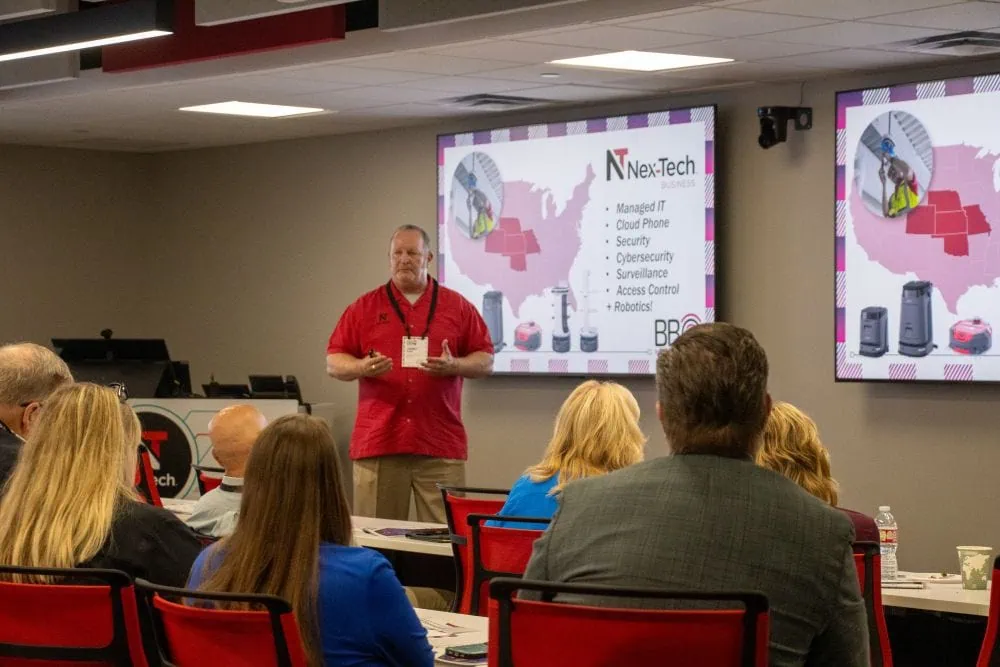
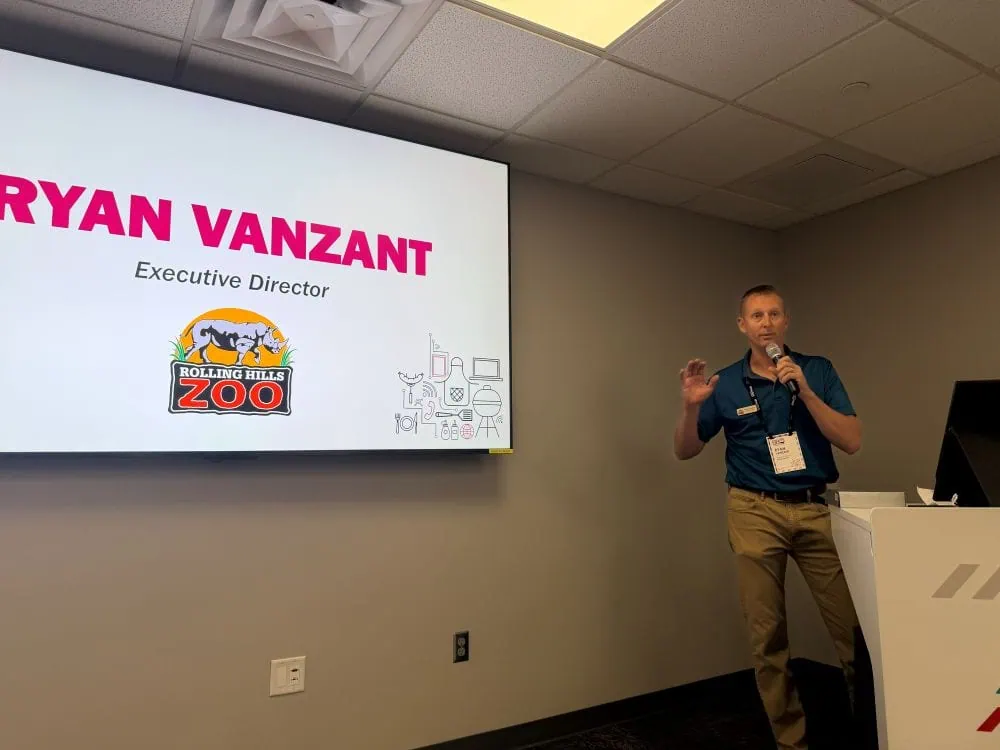
Earlier this month, the Communications Coalition of Kansas (CCK) wrapped up the second edition of the Broadband and BBQ Forum in Salina, KS. The meeting brought together dozens of technology stakeholders: elected officials, rural technology providers, economic development leaders, city and county officials, as well as customers and community members.
The gathering’s focus was simple, but weighty. How do all stakeholders ensure world-class, affordable technology services are available to people in rural Kansas not just today, but in the years ahead?
Spoiler alert: we didn’t find a silver bullet. But something more important was achieved.
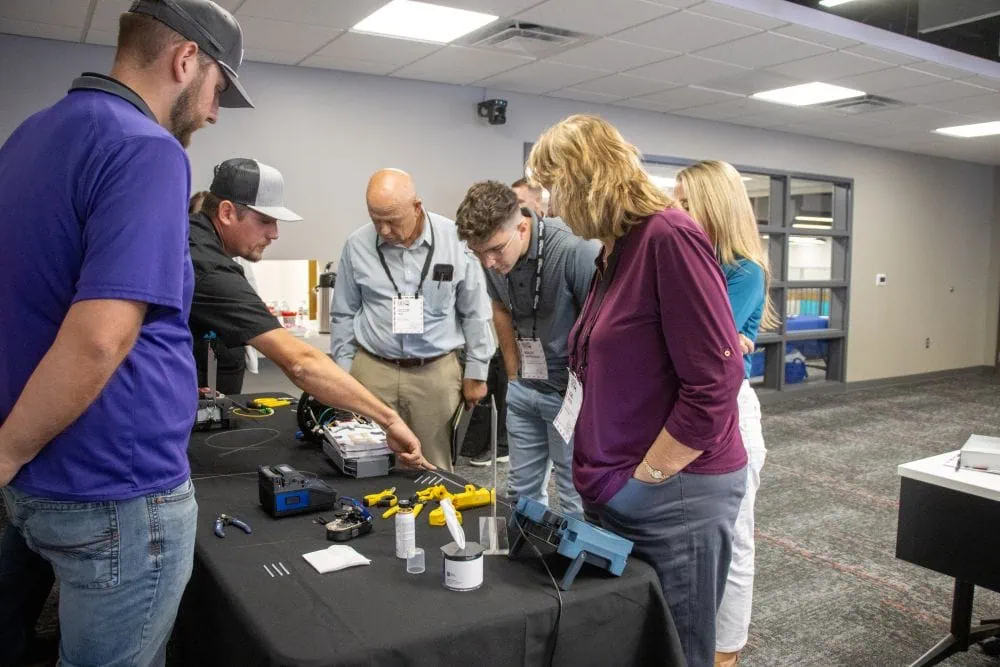
People gathered, talked, listened, ate together, and made connections that will let us keep interacting whenever we meet again, or whenever the opportunity arises. From conversations to presentations, demonstrations, tours, and mealtime, people weren’t just making suggestions or raising points. They were actually listening – absorbing data, processing information, and reasoning through it carefully. I believe this is how progress is made on issues where everyone has an opinion, and we undoubtedly face more of them across the nation today.
But putting on my economic development and rural broadband hat, and to be more granular, here are some key items where I believe we made progress. I use the word ‘made progress’ because, while not every single aspect of the items below was discussed formally, the chats, the demonstrations, the presentations, and the testimonials from customers highlighted the different pieces that must all come in sync to have world-class connectivity in rural Kansas.
1. Public funding and policy
The rules and money that decide which technology can be built and paid for.
- The Broadband Equity, Access, and Deployment Program and its shift to treating all technologies equally
- Federal and state funding rules, including those from the National Telecommunications and Information Administration, the United States Department of Agriculture, and the
- Federal Communications Commission’s support for high-cost rural areas Federal and Kansas Universal Service Funds
- How accurate broadband maps are, and the process for challenging whether a location is served
2. Rules, permits, and land access
The approvals and property rights needed to put fiber in the ground or on poles.
- Environmental and historic reviews under the National Environmental Policy Act and historic preservation law
- Crossing highways, railroads, waterways, and utility corridors
- Access to utility poles and the terms for using them
- Local permits and Broadband Ready Communities local rules
- Private easements and land-use disagreements
- State telecommunications rules from the Kansas Corporation Commission
- Service requirements, including 911 and Next Generation 911 emergency calling, outage reporting, protection of customer account and calling data, and helping law enforcement with court-ordered requests
3. Funding structure and business model
How the network is paid for, and whether it can last.
- The funding mix: grants, loans, borrowing, and owner investment
- Cost per location compared with how many people live nearby
- Steady income over time: the share of households that sign up, average monthly revenue per customer, and business and wholesale revenue
- Middle mile networks, which move data between the local connection and the long-distance network
- Paying for the network over its whole life, including replacing equipment
- Technology that can grow with demand, such as 10-gigabit fiber equipment and what comes after it
4. Ownership, decision-making, and organization
Who decides, who is accountable, and who does the work.
- Ownership and decision-making models: cooperative, city-owned, privately owned, or public-private partnership
- Legal setup: franchise fees, partnership terms, liability, and ownership records for easements
- Hiring and keeping skilled workers
- Following program rules and reporting: Build America, Buy
- America requirements, project milestones, and audits
- Working together across counties and providers
- Community trust and local leadership
5. Engineering, construction, and supply
How the network is designed and built.
- Engineering standards and design for a network that lasts 30 years or more
- Building the network: contractors, weather seasons, and the quality of cable splicing and underground boring
- Equipment supply and rising costs, including Buy America rules about where materials come from
- How the network depends on electric utilities: poles, power, and whether they compete or partner with us
6. Day-to-day operations, resilience, and risk
Keeping the network running after it is built.
- A network operations center that monitors the network, backup routes and equipment, spare parts, and crews ready to restore service
- Preventing damage to buried lines by locating them before digging, using the 811 call-before-you-dig service
- Physical security, exposure to storms and other disasters, and insurance
- Protecting the network from cyberattacks
7. Customers and competition
Who will buy the service, and who else is competing for them.
- Winning customers: early sign-ups, pricing, and quality installations
- Anchor institutions, which are large community organizations such as schools, hospitals, and libraries
- Competing technologies, such as fixed wireless and satellite
- How existing providers respond, and the risk of a competitor building a second network in the same area
8. Results for the economy and the community
The benefits that justify a world-class investment and build support for it.
- Agriculture and rural industry
- Telehealth, education, and remote work
- Digital adoption and skills
- Keeping money and investment in the local community
- Keeping people and workers in rural communities
- New uses that need large amounts of data
- Measuring quality-of-life results, not just miles of cable built
A way to think about items 1 – 8
Points 1 and 2 above are where connectivity starts, since funding and approvals determine whether a project starts at all. Points 3 and 4 determine whether it is built to last. Points 5 and 6 decide whether it performs and the network is sustainable, and points 7 and 8 decide whether the investment pays off financially and serves actual needs in the community. When one point is weak, it shows up downstream in the others, which is why the financial and market areas (3 and 7) tend to be the real success tests of a project that may look well funded and well permitted.
I believe that as we all (legislators, elected officials, economic developers, regulators, and citizens) think through how we can make each node in this system better, world-class and sustainable service in Kansas will be achieved.

Connect with Friday
Friday Otuya
Community Engagement Specialist
I'm Friday Otuya /Oh-Too-Yah/. I love sharing development resources, working on initiatives that change lives, and building bridges that lead to prosperity.
Specifically, I originate, underwrite, and deploy capital to small businesses that typically don't fit bank credit criteria. These businesses create jobs and expand economic opportunity in Nex-Tech's service area. I also support Nex-Tech's community and legislative strategy toward making life better through technology.
Before this, I worked in broadcast journalism and corporate communications, and did development finance work across Africa and the U.S.
If you are curious how Nex-Tech can partner with you through loans, grants, donations, or another kind of capital investment, I'd love to chat.
I live with my wife and two lads in Hays, KS.
Call/Text
785.639.8698
Weekdays: 8 a.m. – 5 p.m.
econdevo@nex-tech.com